Valentine Mushroom 20oz Tumbler Wrap PNG: An Embroidery Designer’s Honest Take
When I first opened the Valentine Mushroom 20oz Tumbler Wrap PNG, I have to admit I felt a small spark of recognition. It’s one of those rare designs that leans into a specific mood—romantic but quirky, soft but graphic. As a designer who spends most days switching between digitizing embroidery files and reviewing printable mockups, I’ve learned to read a design quickly. Does it translate? Does it hold up when stitched? Will a customer actually want to wear it or gift it? This design deserves that kind of scrutiny, not just a quick glance. So I put it through my usual process: imagining it on fabric, inside a hoop, on a finished product, and in a customer’s hands.
First Impressions: Mood, Layout, and Visual Personality
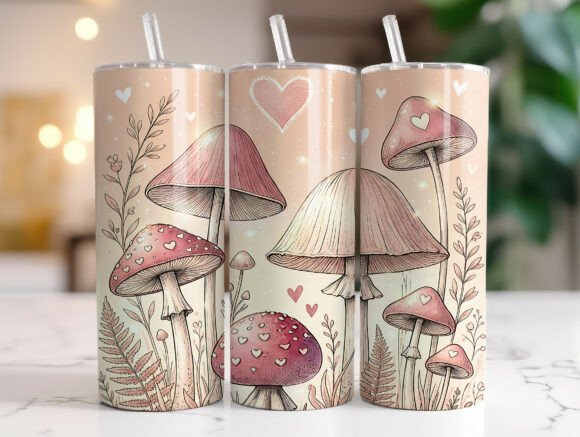
The Valentine Mushroom 20oz Tumbler Wrap PNG brings a playful, storybook feel. It’s not your standard heart-and-rose Valentine motif—and that’s exactly what makes it stand out. The mushroom shape acts as the central character, with a soft, whimsical presence that feels both nostalgic and fresh. The layout on the 9.3″ x 8.2″ canvas gives the design breathing room, which is critical when you’re thinking about how it will read on real products.
The straight and tapered PNG versions show that the designer understood the practical requirements of a tumbler wrap, which tells me they think about application, not just appearance. That kind of thinking matters to me as someone who works with both digital files and sewing machines. The 300 DPI resolution confirms that this isn’t a rushed export—there’s pixel clarity for sharp mockups and crisp printing if you decide to use it as a printable element alongside embroidery.
Visually, the design leans into a soft, earthy palette that pairs well with natural fabrics like linen, cotton canvas, or brushed fleece. It would feel right at home on a handmade market stall or a boutique Etsy shop that specializes in whimsical, nature-inspired products.
How This Design Performs in Real Embroidery Projects
Now, here’s where I have to be direct: the Valentine Mushroom 20oz Tumbler Wrap PNG is a printable graphic file, not a native embroidery file. That means the design’s real value for an embroiderer lies in how well it can be digitized or adapted. If you’re planning to turn this into a machine embroidery design, you have a solid foundation to work from. The shapes are distinct, the line between positive and negative space is clear, and the level of detail is forgiving enough to transfer into satin stitch, fill stitch, and running stitch without losing the original personality.
Let me walk through how I would approach this for a real client project. Imagine a custom tote bag order for a small shop that specializes in Valentine’s Day gifts with a woodland twist. The customer wants something that looks handcrafted but polished. I’d take the Valentine Mushroom 20oz Tumbler Wrap PNG as a starting reference, create a simplified embroidery version using the key elements, and test the stitch density on cotton canvas. The result would feel cohesive with the original graphic while being fully optimized for fabric.
I can see this design working beautifully on a range of products: custom apparel like sweatshirts and t-shirts, tote bag designs, baby embroidery for a whimsical nursery piece, embroidered patches sewn onto denim jackets or aprons, pillow covers for seasonal home decor, tea towels for a kitchen gift set, and even holiday embroidery projects that need something less conventional. The design’s gentle personality also lends itself well to personalized gifts—think a child’s name added to a matching mushroom-themed design, or a couple’s initials framed inside the motif.
For craft business owners and Etsy sellers, this PNG can also function as a printable mockup element. You can layer it onto a product photo to show customers how a finished embroidery version might look. That alone increases the perceived value of your listing without requiring a fully stitched sample every time. It’s a smart shortcut when you’re building design assets for a new collection.
Where to Use This Design Carefully
Not every surface or product is a good match, and I’d be doing you a disservice if I didn’t point out the limits. The Valentine Mushroom 20oz Tumbler Wrap PNG contains moderate detail—especially in the mushroom cap and any surrounding decorative elements. If you digitize it for embroidery, you need to watch for stitch density problems in small hoop sizes. A 4″ x 4″ hoop might be too tight to capture the full composition without losing legibility or creating excessive thread buildup. I’d recommend at least a 5″ x 7″ hoop for a comfortable adaptation.
Textured fabrics like thick fleece, bulky knits, or heavy terry cloth can swallow fine details. If you’re working with a sweatshirt or blanket, consider keeping the design to a single central element rather than the full wrap layout. Stretchy fabrics—common on t-shirts and caps—require careful stabilizer selection. A tear-away stabilizer probably won’t cut it here. Go with a cut-away medium-weight stabilizer to preserve the design’s shape through washing and wear.
Dark fabrics also deserve a second thought. The design’s original mood relies on soft, light tones. Stitching it on black or deep navy without adjusting thread colors could flatten the contrast and mute the whimsical feel. Always test thread color combinations on a scrap piece of the actual fabric before committing to a full run. The same caution applies to curved surfaces like caps or small cylindrical items—the design’s layout works best on a flat or gently curved panel, not on tight curves where distortion will be obvious.
If you’re producing products that need frequent washing—like tea towels, baby blankets, or personalized gifts—check your stitch density around any fine lines or tiny lettering. Dense areas can pucker or become uncomfortable on items that are washed often. Reducing stitch count slightly or replacing dense fill stitches with a softer running stitch outline can extend the life of the finished product without sacrificing visual appeal.
Visual Appeal, Product Value, and Buyer Trust
One thing I appreciate about the Valentine Mushroom 20oz Tumbler Wrap PNG is how it communicates care. Customers browsing handmade products or small shop merchandise are often drawn to details that feel intentional. This design has that quality. It doesn’t try to be everything—it commits to a gentle, storybook aesthetic and executes it cleanly. For a small business owner, that means your product stands out not because it’s loud, but because it feels curated.
When I evaluate a design for client work, I consider how it affects the perceived value of the finished product. A well-chosen embroidery design can elevate a plain sweatshirt into a boutique item worth triple the price. The Valentine Mushroom 20oz Tumbler Wrap PNG, when adapted thoughtfully, has that potential. It feels giftable, which is critical for holiday and Valentine’s Day sales. It also carries a sense of originality—customers who see it will recognize that it’s not a generic stock design, which builds trust and brand consistency.
For digital product sellers and creative entrepreneurs, the straight and tapered PNG files also give you flexibility in product photography. Use the straight version for flat-lay mockups on a desk or table, and the tapered version on a tumbler or curved product preview. That kind of adaptability saves time and keeps your shop listings looking professional without needing to reshoot every angle.
Practical Embroidery Designer Notes
Before you use the Valentine Mushroom 20oz Tumbler Wrap PNG for any project—personal or commercial—here are the steps I always follow with a new design asset like this:
- Test on scrap fabric first. No exceptions. Even if the original PNG looks perfect on screen, fabric behaves differently. Stitch a test sample of your digitized version and examine it under good light.
- Check thread color contrast. Place thread colors next to your fabric choice, not just on top of it. The background of the original design might not match your fabric tone, so adjust thread selections accordingly.
- Review stitch density. If you’re digitizing from scratch, avoid packing too many stitches into small areas. The design’s natural spacing should translate well, but double-check areas like the mushroom stem edge or any fine outline work.
- Confirm hoop size. Ensure your hoop accommodates the full design at your desired scale. If you’re reducing the design size, test whether the details still read clearly. Tiny mushrooms lose their charm.
- Inspect small details. Zoom in on the PNG for any very fine lines or tiny decorative marks. Decide whether to keep them in the embroidery or simplify them for better stitch quality.
- Test in black and white mockups. Print the design in grayscale and examine the contrast. This helps you spot areas that might become muddy when stitched in similar thread values.
- Compare light and dark fabric backgrounds. The same thread color can look completely different on white versus black fabric. Test both extremes before settling on your final palette.
- Use proper stabilizer. For this design on most fabrics, a medium-weight cut-away stabilizer is a safe starting point. Adjust based on fabric stretch and density.
- Check licensing before selling finished items. The Valentine Mushroom 20oz Tumbler Wrap PNG is a printable graphic, so confirm whether the included license covers commercial use, the number of allowed sales, and whether digital resale is permitted. When in doubt, contact the seller directly.
These steps aren’t just busywork—they protect your reputation as a craft business owner or apparel decorator. A rushed project leads to returns or negative reviews. A tested, refined product builds a loyal customer base that trusts your quality.
Final Thoughts on Real Project Use
I’ve reviewed a lot of design assets over the years, and the ones that stick are the ones that feel like they were made with genuine curiosity. The Valentine Mushroom 20oz Tumbler Wrap PNG comes across as a design that its creator actually enjoyed making. That sincerity translates into better products, whether you’re using it as a direct printable for tumbler wraps, as inspiration for machine embroidery, or as a mockup element in your shop listings.
For embroiderers, the key takeaway is this: treat the PNG as a creative blueprint, not a final embroidery file. Adapt it thoughtfully, test thoroughly, and use it on products that match its soft, whimsical character. For digital product sellers and handmade shop owners, it’s a versatile asset that can strengthen your brand’s visual consistency and save you time on product photography.
If you’re considering adding this design to your collection of design assets, I’d say go ahead—as long as you’re ready to put in the work of proper digitizing and testing. It’s not a plug-and-play embroidery file, but it doesn’t need to be. What it offers is a strong visual starting point that, with the right craftsmanship, can become a genuinely charming finished product your customers will remember.